The Warning Workbook

For some time now, I've been thinking...
"wouldn't it be great if someone could take all of this research on alerts and warnings and put it into one single volume, translated for practitioners?"
I tell myself, "a useful workbook would include case studies, like the blogs I post every week. It would explain the Warning Response Model and show how researchers test messages. It would explain why we don't just measure compliance as an outcome."
Also, I tell myself, "it would show how to write effective messages - not just using text, but showing, side by side, what a good message looks like versus a message that needs improvement."
And then, I say, "it would use lots of graphics. Charts, cycles, diagrams, tables, and icons. Things that help people to process information so we aren't just using text to emphasize key ideas."
And of course, I think, "it has to include summaries of the articles that we've published, maybe as sidebars, because there are going to be people who want to really dig in and learn about how the research was done and what we learned."
But, I ask myself, "what about each hazard type. Shouldn't those be included?"
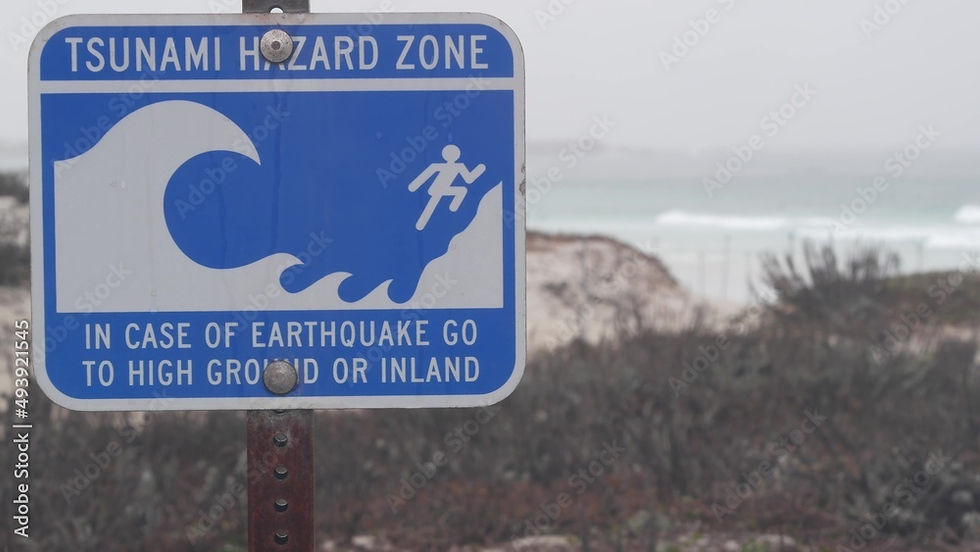
I tell myself, "yes! There would be separate chapters for imminent threats, and post-alerts, and missing person messages. And for those tricky hazards like tsunami or hazardous material or active shooter, there should be clear examples and explainers that help to orient a message writer to why and how to write them for the local audience."
Of course, I remind myself, "some of this is already available in the Warning Lexicon and the Post Alert Lexicon. But, we've learned so much since those lexicons were published - maybe it's time for a refresh and a single place to put the entire updated lexicon."
If I was a student entering this field, or if I was a practitioner who has never had a course on risk communication or alerts and warnings, I'd want this kind of resource.
It would mean someone has taken the time to translate the journal articles into useful and practical information that can be applied in the real-world setting. It means someone took the Lexicons and updated them, integrating what has been learned since they were published, and putting the complete set into a single volume. It also means an academic would have to be willing to trade the "points" they get for publishing in high ranking journals in exchange for public scholarship, and write a book that makes a practical difference.
Well, I talked myself into it . The Warning Workbook for Government Communicators will be available this fall. I can't wait to show it to you!